What is beeswax?
Beeswax is a natural wax produced by honeybees, valued for its ability to lock in moisture, shield skin, and create a breathable barrier. [1][3]
- Origin: Secreted by honeybees (Apis mellifera) and harvested from honeycombs. [4]
- History: Used since ancient times in balms, salves, and cosmetics for its protective and healing properties. [2][4]
- Composition: Contains esters, fatty acids, hydrocarbons, and vitamin A. [1][5]
- Why We Love It: Forms a gentle, breathable shield that locks in hydration, soothes irritation, and keeps feet protected and comfortable. [1][2][6]
What is beeswax made up of?
-
70%Esters
→ moisture lockEsters form the main structure of beeswax, creating a barrier that locks in hydration and protects skin from dryness. [5][10] -
12-15%Fatty Acids
→ skin softenerFatty acids help soften and condition the skin, supporting flexibility and comfort for active feet. [5][10] -
12-16%Hydrocarbons
→ breathable shieldHydrocarbons contribute to beeswax’s structure, allowing it to form a protective yet breathable layer on the skin. [5][10] -
1-2%Free Acids
→ Calming agentFree acids help soothe irritation and support the skin’s natural healing process. [5][11] -
1-2%Alcohols
→ texture enhancerAlcohols in beeswax improve texture and spread-ability, making application smooth and pleasant. [5][10] -
tracesVitamin A
→ skin renewalVitamin A supports skin regeneration and repair, helping feet stay healthy and resilient. [1][5]

Ancient remedy, modern shield
History of Beeswax
Beeswax has been treasured for thousands of years, from Egyptian mummies to Roman cosmetics. Its natural ability to seal, protect, and heal made it a staple in traditional medicine and skincare. Today, we use beeswax to create a breathable barrier that keeps feet healthy and comfortable, continuing a legacy of natural care. [2][4][7]

nature's protective barrier
Why We Use It
We use beeswax because it forms a gentle, breathable shield on the skin - locking in moisture, preventing chafing, and supporting healing. It’s perfect for active feet that need long-lasting comfort and defence against the elements. [1][3][6]

responsibly sourced, bee friendly
Where We Get It
Our beeswax is sourced from trusted beekeepers who prioritise bee health and sustainable practices. We ensure our supply supports healthy hives, local ecosystems, and ethical harvesting - so every tin helps protect both your skin and the bees. [7][8]

safe for skin, kind to bees
Why It Matters
Choosing beeswax means choosing a natural, renewable ingredient that’s gentle on your skin and supports responsible beekeeping. It helps us create products that are safe, effective, and highly environmentally conscious - so you can care for your feet, and the planet. [1][8][9]
Beeswax FAQs
Why do The Feats products include beeswax?
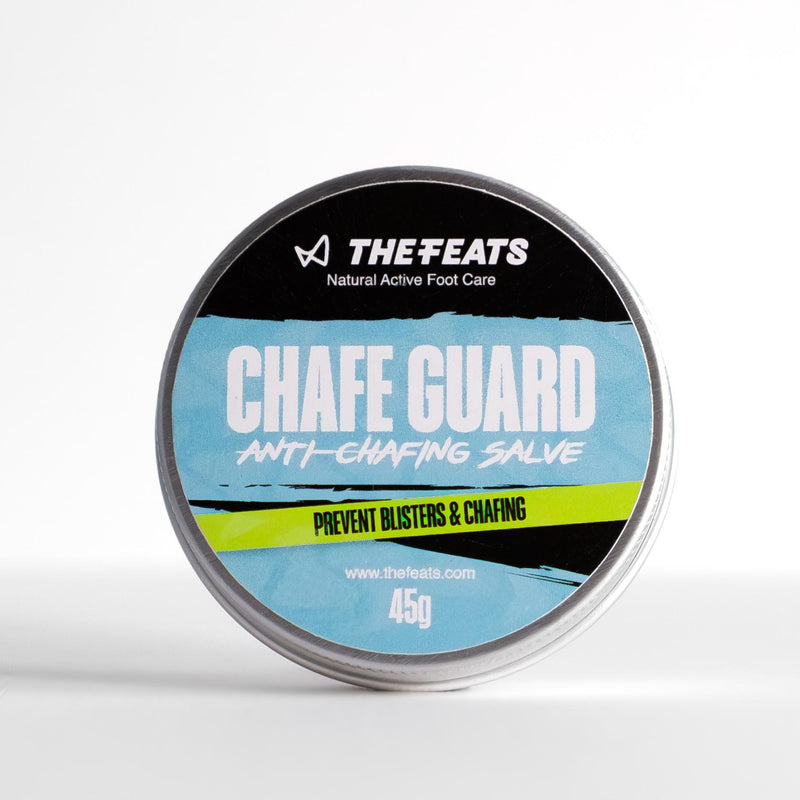
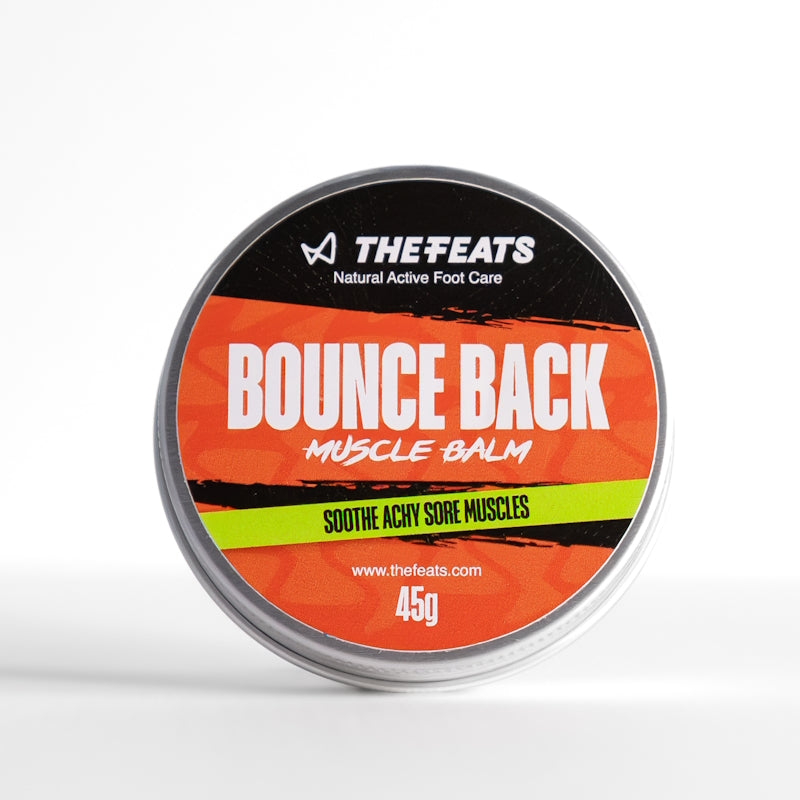
We use beeswax for its unmatched ability to lock in hydration, prevent chafing, and create a protective shield - keeping active feet healthy and comfortable. [1][6]
What does beeswax do for my skin?
Beeswax forms a natural, breathable barrier that locks in moisture, soothes irritation, and protects skin from chafing and environmental stress. [1][2][6]
Is beeswax suitable for sensitive skin?
Yes, beeswax is gentle, non-comedogenic (meaning it won't clog your pores), and rarely causes irritation, making it suitable for most skin types, including sensitive skin. [1][2]
How is your beeswax sourced?
Our beeswax comes from responsible beekeepers who use sustainable, bee-friendly practices to ensure hive health and environmental balance.[7][8]
Does beeswax feel heavy or sticky in your products?
No: our formulas are carefully balanced so beeswax provides protection without feeling greasy or sticky - just smooth, comfortable coverage. [1][2]
Collapsible content
Scientific sources
- Healthline: https://www.healthline.com/health/beeswax-for-skin
- WebMD: https://www.webmd.com/vitamins/ai/ingredientmono-1452/beeswax
- Medical News Today: https://www.medicalnewstoday.com/articles/324719
- Encyclopedia Britannica: https://www.britannica.com/science/beeswax
- USDA FoodData Central: https://fdc.nal.usda.gov/fdc-app.html#/food-details/169912/nutrients
- Kumar, P., et al. (2008). "Formulation and evaluation of beeswax creams for wound healing." Journal of Pharmacy & Bioallied Sciences, 1(1), 34-37. https://www.ncbi.nlm.nih.gov/pmc/articles/PMC3146064/
- National Honey Board: https://www.honey.com/about-honey/bee-products/beeswax
- Ethical Consumer: https://www.ethicalconsumer.org/health-beauty/shopping-guide/beeswax
- Environmental Working Group (EWG): https://www.ewg.org/skindeep/ingredients/700875-BEESWAX/
- Kostić, M., et al. (2015). "Chemical composition and biological activities of beeswax: A review." Journal of Apicultural Science, 59(1), 5-13. https://www.degruyter.com/document/doi/10.1515/jas-2015-0001/html
- Borchers, A. T., et al. (2009). "Bees and their role in human disease: The importance of beeswax, honey, and propolis in dermatology." Clinics in Dermatology, 27(5), 502-506. https://pubmed.ncbi.nlm.nih.gov/19698941/
Key Scientific Papers Supporting Beeswax Use
- Kumar, P., et al. (2008). "Formulation and evaluation of beeswax creams for wound healing." Journal of Pharmacy & Bioallied Sciences, 1(1), 34-37. Shows that beeswax-based creams promote wound healing and provide a protective barrier for skin. Link
- Kostić, M., et al. (2015). "Chemical composition and biological activities of beeswax: A review." Journal of Apicultural Science, 59(1), 5-13. Reviews the chemical makeup of beeswax and its biological activities, including skin protection, antimicrobial, and anti-inflammatory effects. Link
- Borchers, A. T., et al. (2009). "Bees and their role in human disease: The importance of beeswax, honey, and propolis in dermatology." Clinics in Dermatology, 27(5), 502-506. Explores the dermatological uses of beeswax, confirming its safety and effectiveness in skin care and wound healing. Link